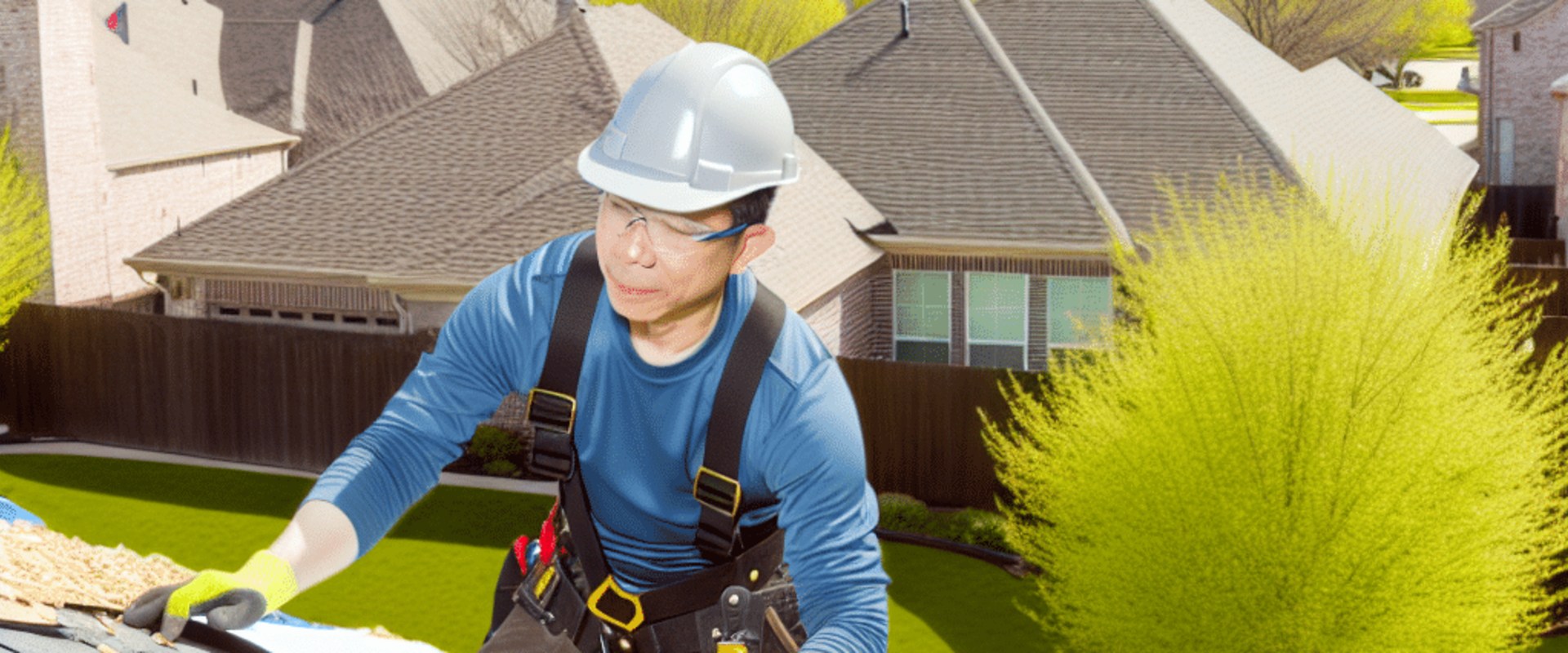
Roof installation is one of the most critical aspects of home construction and maintenance, serving as the primary barrier against weather elements and environmental wear. A properly installed roof protects the home from rain, wind, and temperature fluctuations while also contributing to energy efficiency and structural integrity. The installation process involves more than just placing shingles; it requires careful planning, accurate measurements, and the use of high-quality materials. From underlayment and flashing to ventilation systems, every component must be correctly installed to ensure long-term performance. A well-executed roof installation not only enhances the durability of the home but also reduces the likelihood of costly repairs in the future.
The Role of Skilled Home Service Professionals
Reliable home service professionals play a vital role in ensuring that roof installation is completed to the highest standards. Experienced contractors bring the knowledge and expertise needed to handle complex installations, address potential challenges, and comply with local building codes. They also coordinate with other specialists when necessary, ensuring that all systems connected to the roof function properly. For instance, homeowners dealing with broader maintenance concerns, such as a clogged bathtub drain in Houston, may already be working with plumbing professionals. This overlap highlights the importance of having a network of trusted service providers who can collaborate to maintain the overall health of the home. By relying on skilled professionals, homeowners can ensure that their roof installation is both efficient and reliable.
Integrating Roofing with Other Home Systems
Roof installation does not exist in isolation; it is closely connected to other systems within the home, including ventilation, insulation, and drainage. Proper ventilation helps regulate temperature and moisture levels in the attic, preventing issues such as mold growth and structural damage. Similarly, effective drainage systems, including gutters and downspouts, ensure that water is directed away from the roof and foundation. Coordinating these elements during installation ensures that the roof performs optimally and supports the overall functionality of the home. This integrated approach minimizes the risk of water infiltration and enhances the longevity of the entire structure.
Ensuring Quality Through Ongoing Maintenance
Even after a roof is installed, ongoing maintenance is essential to preserve its performance and extend its lifespan. Regular inspections help identify potential issues such as loose shingles, damaged flashing, or clogged gutters before they become serious problems. Homeowners should also schedule periodic maintenance with professionals to ensure that all components remain in good condition. By addressing minor issues promptly, they can avoid more extensive repairs and maintain the efficiency of the roof. Consistent care not only protects the home but also maximizes the return on investment in the installation process.
Long-Term Benefits of Professional Installation and Support
Investing in professional roof installation and maintaining strong relationships with reliable home service professionals offers significant long-term benefits. A properly installed roof provides peace of mind, knowing that the home is well-protected against the elements. It also contributes to improved energy efficiency, reduced maintenance costs, and increased property value. By working with experienced professionals and adopting a proactive approach to maintenance, homeowners can ensure that their roof continues to perform effectively for years to come. Ultimately, the connection between quality installation and dependable service providers underscores the importance of a comprehensive approach to home care.