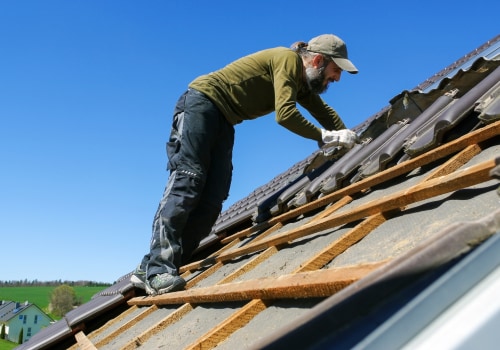
Roof installation projects involve far more than attaching shingles or selecting materials that improve curb appeal. A properly installed roofing system serves as one of the most important structural defenses a home has against moisture, weather exposure, temperature fluctuations, and long-term deterioration. When roofing services are performed correctly during installation, they help prevent future structural problems that may otherwise develop slowly beneath the surface over time. Many homeowners focus mainly on the appearance of a new roof, but the installation process itself plays a major role in protecting the framing, insulation, attic space, and interior structure of the property for years to come.
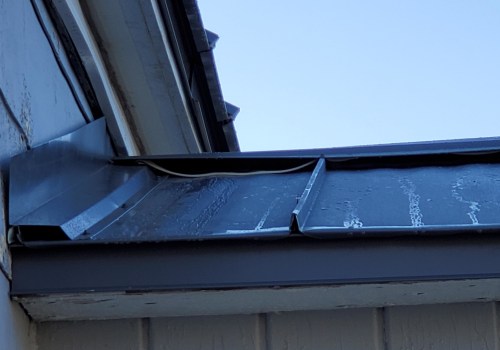
One of the most important ways roofing services help prevent structural issues is through proper moisture management. During installation, roofing professionals evaluate how water will flow across the roof and away from vulnerable areas. If drainage systems, flashing, underlayment, or sealing techniques are improperly installed, moisture can begin entering the structure even when the outer roofing materials appear intact. Water infiltration is one of the leading causes of long-term structural damage because it can weaken roof decking, rot wooden framing, damage insulation, and contribute to mold growth inside attic spaces. A properly installed roofing system creates multiple protective layers that work together to direct water safely away from the home while reducing the risk of hidden leaks.
The Role of Ventilation and Structural Assessment
Roof installation projects also provide an opportunity to identify pre-existing structural concerns before they worsen. Experienced roofing professionals often inspect decking, support structures, ventilation systems, and attic conditions during the installation process. Weak or damaged roof decking may need reinforcement or replacement before new materials are added. If these structural problems are ignored, the new roofing system may eventually sag, shift, or deteriorate prematurely. Roofing services therefore involve both preventive maintenance and structural evaluation rather than simply covering the existing roof with new materials.
Ventilation is another critical factor that influences long-term structural health. Poor attic ventilation can trap heat and moisture beneath the roof, creating conditions that accelerate material deterioration and increase the likelihood of wood rot or mold development. During installation projects, roofing professionals may recommend ventilation upgrades that improve airflow throughout the attic space. Balanced intake and exhaust ventilation help regulate temperature, reduce condensation, and protect structural materials from excessive moisture buildup over time. In regions with humid climates or extreme seasonal weather, proper ventilation becomes especially important for preserving the lifespan of both the roof and the home’s structural framework. Companies such as A1 Roofing Services Iowa often evaluate these hidden factors during installation projects because long-term roof performance depends heavily on what happens beneath the visible roofing materials.
Preventing Future Repairs Through Quality Installation Practices
Another overlooked benefit of professional roofing services is the prevention of future repair costs caused by installation mistakes. Improperly aligned shingles, weak flashing connections, poor sealing around vents, or inadequate fastening methods can create vulnerabilities that may not become obvious until severe weather occurs. Strong winds, heavy rain, snow accumulation, and temperature expansion can quickly expose weak points in a poorly installed roof. By following proper installation techniques and manufacturer guidelines, roofing professionals help reduce the risk of premature failures that could eventually affect the structural integrity of the property.
Roof installation also affects the home’s overall energy efficiency and interior protection. Proper insulation placement, moisture barriers, and ventilation systems help stabilize indoor temperatures while reducing strain on heating and cooling systems. Without these protective measures, excessive attic heat or moisture may eventually damage ceilings, walls, and interior finishes. Structural issues linked to roofing problems often begin gradually and remain hidden until significant damage has already occurred.
By addressing moisture control, structural reinforcement, ventilation, drainage, and installation quality during roofing projects, professional roofing services help homeowners avoid costly long-term repairs and structural complications. A well-installed roofing system does more than improve appearance or weather resistance; it acts as a protective barrier that helps preserve the overall stability, efficiency, and durability of the home for many years after the installation is completed.