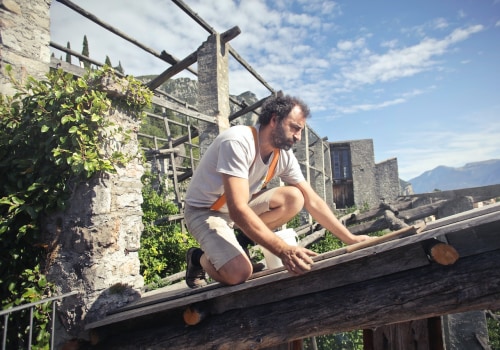
When planning home improvement projects, homeowners often schedule multiple upgrades at once to save time and streamline construction. Roof installation and concrete contractor projects are two major undertakings that can overlap, especially during large-scale renovations or property upgrades. While both are essential for structural integrity and long-term durability, coordinating these projects requires careful planning. Roofing work typically involves overhead activity, while concrete work focuses on ground-level surfaces such as driveways, patios, and foundations. Understanding how these two processes interact can help prevent delays, avoid damage, and ensure both projects are completed efficiently.
Timing and Project Coordination
One of the most important considerations when combining roof installation with concrete work is timing. In most cases, roofing should be completed before or carefully scheduled around concrete pouring to avoid contamination or damage. Fresh concrete is highly sensitive during its curing phase, and debris from roofing materials—such as nails, shingles, or dust—can compromise the surface. Coordinating schedules with your contractors ensures that each phase is completed without interfering with the other. Working with experienced professionals like Concrete Revival can help align timelines and minimize disruptions, allowing both projects to progress smoothly and efficiently.
Protecting Surfaces and Materials
Protecting newly installed or freshly poured materials is critical when handling overlapping construction tasks. During roof installation, falling debris can damage wet concrete or leave permanent marks on finished surfaces. To prevent this, contractors may use protective coverings, barriers, or temporary structures to shield concrete areas while roofing work is underway. Similarly, heavy equipment used in concrete projects should be carefully managed to avoid damaging roofing materials or structural components. Clear communication between teams ensures that all surfaces are protected and that each phase of the project maintains its quality standards.
Safety and Accessibility Considerations
Safety is another key factor when managing simultaneous roofing and concrete projects. Both types of work involve specialized equipment, skilled labor, and potential hazards. Roofing crews require stable footing and safe access to elevated areas, while concrete contractors need clear, unobstructed ground space to operate machinery and pour materials. Ensuring that work zones are clearly defined and that pathways remain accessible helps reduce the risk of accidents. Proper planning also allows homeowners to maintain safe access to their property throughout the renovation process, even as multiple projects are underway.
Long-Term Benefits of Proper Coordination
When roof installation and concrete work are carefully coordinated, homeowners can enjoy long-term benefits that go beyond immediate project completion. A properly installed roof protects the structure from weather damage, while high-quality concrete surfaces provide durability and functionality for outdoor spaces. By managing both projects effectively, you reduce the likelihood of costly repairs or rework in the future. Additionally, completing these upgrades together can enhance the overall value and appearance of your property. Taking the time to plan and coordinate ensures that both roofing and concrete improvements deliver lasting results and contribute to a well-maintained, structurally sound home.