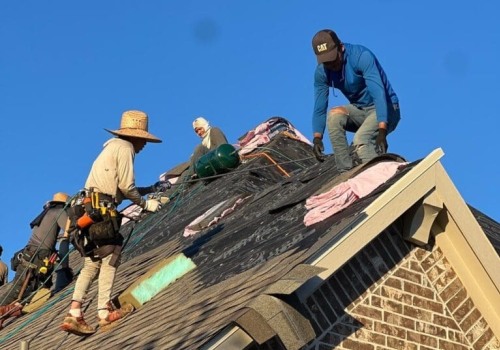
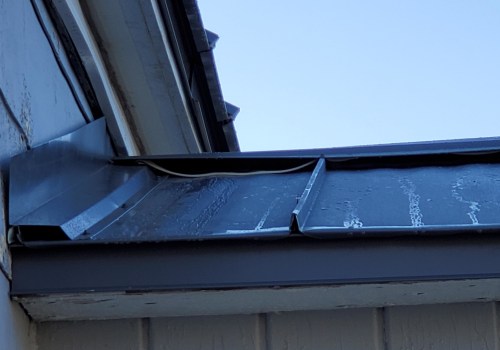
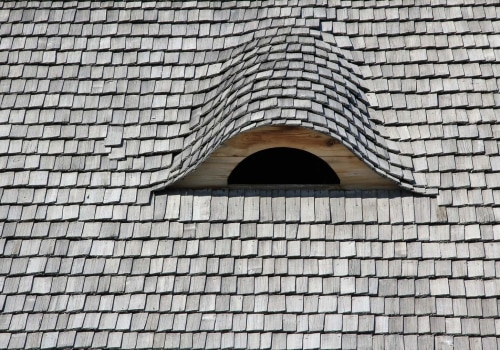
Roof installation is often associated with selecting durable materials, improving weather protection, and enhancing a home's appearance, but the structural considerations behind complex roofing projects are equally important. Modern roofs frequently feature multiple slopes, dormers, skylights, solar panel systems, heavy roofing materials, and intricate architectural designs that require careful planning before construction begins. Every roofing system transfers loads to the walls and foundation below, making it essential to ensure that the structure can safely support both the permanent weight of the roof and temporary loads from wind, rain, or maintenance activities. Structural engineers play an important role in evaluating these factors so that roofing projects not only achieve the desired visual result but also maintain the long-term safety and stability of the building. Their expertise helps identify potential challenges before installation starts, reducing the likelihood of costly modifications or structural problems later.
Evaluating Load Distribution and Structural Capacity
One of the primary responsibilities of structural engineers during complex roof installation projects is determining how loads are distributed throughout the building. Roofing materials vary significantly in weight, with options such as slate, concrete tile, clay tile, and metal roofing placing different demands on the framing system. In addition, features like rooftop HVAC equipment, solar panels, green roofs, and decorative architectural elements increase the overall structural load that must be safely supported. Engineers evaluate rafters, trusses, beams, load-bearing walls, and connections to ensure they are capable of carrying these loads without excessive deflection or movement. During renovation projects, they also assess whether existing framing requires reinforcement before new roofing materials are installed. Companies such as Open Concept Engineering understand the importance of integrating structural analysis into roofing projects, allowing contractors to complete installations with confidence that the supporting framework will continue performing safely for many years.
Coordinating Structural and Construction Disciplines
Complex roof installations involve far more than replacing shingles or installing underlayment. Contractors often work alongside electricians, plumbers, HVAC specialists, solar installers, architects, and structural engineers to accommodate penetrations for vents, skylights, chimneys, and mechanical equipment without compromising structural integrity. Every roof opening alters the surrounding framing, requiring careful coordination to preserve the strength of the overall system. Structural engineers provide guidance on appropriate reinforcement methods, header sizing, and framing modifications that maintain safe load paths throughout the roof. They also evaluate how changes to roof geometry may affect drainage, wind resistance, and long-term building performance. This collaborative planning process helps prevent construction conflicts, minimizes unnecessary field changes, and ensures that every component functions together as part of a complete and reliable roofing system.
Long-Term Protection Through Professional Planning
The value of structural engineering extends well beyond the completion of the roof installation itself. Properly engineered roofing systems are better equipped to withstand changing weather conditions, support additional equipment when future upgrades become necessary, and resist long-term structural movement that could damage roofing materials or create leaks. Homeowners benefit from improved durability, greater energy efficiency, reduced maintenance costs, and increased confidence that their investment is protected by a stable supporting structure. Professional planning also helps ensure compliance with local building codes, particularly in regions where wind, snow, or seismic conditions place additional demands on roof construction. As architectural designs continue to become more sophisticated and homeowners seek increasingly customized roofing solutions, the role of structural engineers becomes even more significant. Their expertise ensures that complex roof installation projects achieve the ideal balance between appearance, functionality, and structural reliability, creating buildings that remain safe, resilient, and capable of protecting occupants for decades while preserving the overall integrity of the property's structural framework.