A properly designed roofing system does more than cover a building. It also helps direct rainwater away from vulnerable areas before moisture has a chance to cause damage. Roofing services often include inspecting roof slopes, flashing, valleys, gutters, and downspouts to make sure water can move efficiently off the structure. When drainage components are poorly installed or damaged, water may collect on the roof or seep into joints and seams. Over time, this can lead to leaks, mold growth, wood rot, and deterioration of interior materials.
Protecting Roof Valleys and Flashing
Roof valleys and flashing are especially important because they handle large amounts of water during storms. Valleys guide runoff toward gutters, while flashing helps seal areas around chimneys, vents, skylights, and roof edges. If these components become loose, cracked, or corroded, moisture can enter beneath the roofing material. A family roofing contractor in Auburn NY may inspect these areas closely and recommend repairs when signs of wear are found. Addressing small problems early can help reduce the risk of more extensive water damage later.
Maintaining Gutters and Downspouts
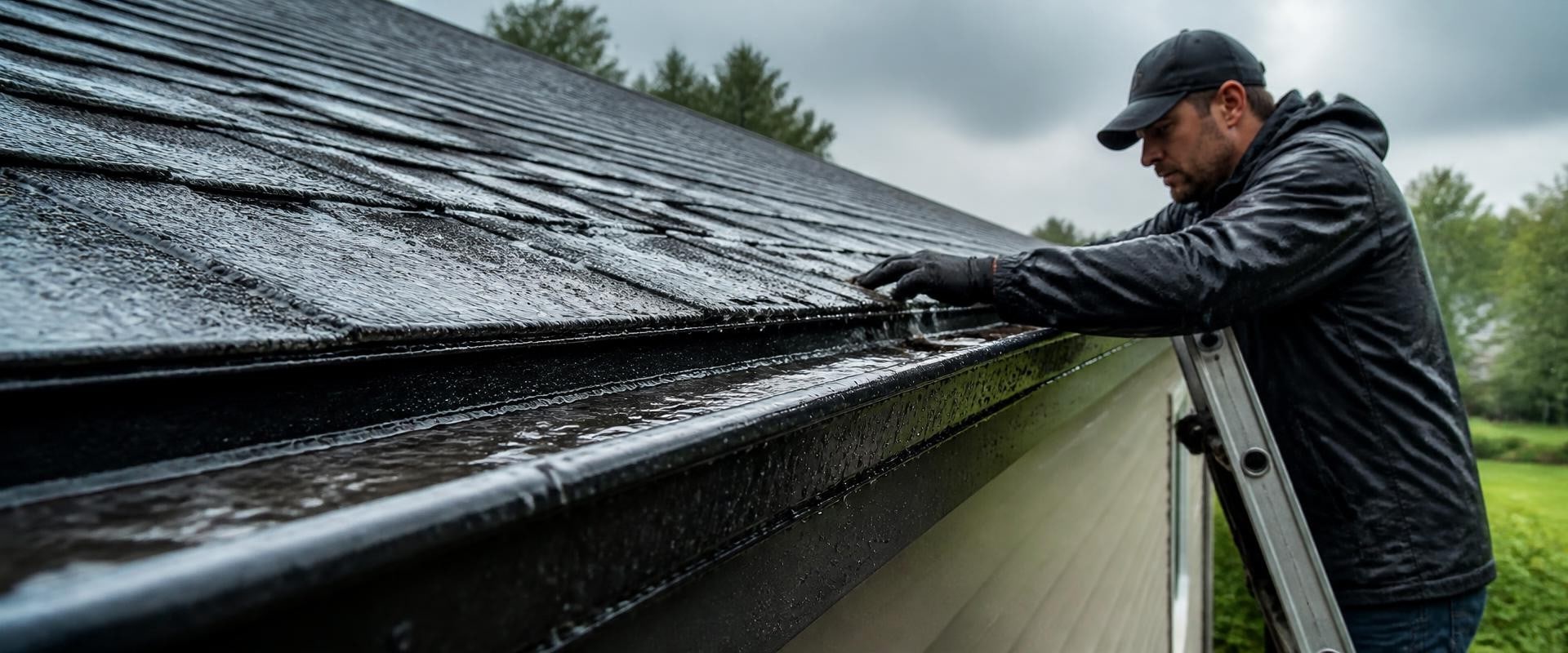
Gutters and downspouts are essential parts of a roof drainage system. Their purpose is to collect water from the roof and move it safely away from the foundation. When gutters become clogged with leaves, dirt, or debris, water may overflow and run down exterior walls. This can contribute to siding damage, foundation problems, soil erosion, and basement moisture. Roofing services may include checking gutter alignment, securing loose sections, and making sure downspouts discharge water far enough away from the building.
Preventing Water From Entering the Roof Deck
Moisture protection depends heavily on keeping water from reaching the roof deck. Roofing materials, underlayment, sealants, and flashing all work together to form a barrier against rain and snow. When shingles or other roof coverings are damaged, missing, or improperly installed, water may penetrate the protective layers beneath them. Professional roofing inspections can identify these vulnerabilities before they develop into active leaks. Replacing damaged materials and sealing exposed areas can help preserve the roof deck and surrounding structural components.
Supporting Proper Roof Ventilation
Roof ventilation also plays a role in moisture management. Warm, humid air can become trapped inside an attic if ventilation is inadequate. Over time, condensation may develop on rafters, insulation, or the underside of the roof deck. This moisture can contribute to mold, mildew, and wood deterioration. Roofing services may include checking vents and airflow to determine whether moisture is being released properly. Balanced ventilation can help control humidity while also supporting more consistent indoor temperatures throughout the year.
Managing Ice and Snow
In colder climates, snow and ice can create additional drainage problems. Ice dams may form when heat from the building causes snow to melt and refreeze near the roof edge. This can prevent water from draining normally and force moisture beneath roofing materials. Proper insulation, ventilation, and roof maintenance can help reduce the likelihood of ice dam formation. Roofing professionals may also identify areas where drainage improvements are needed to better manage winter weather conditions.
Reducing Long-Term Moisture Damage
Regular roofing maintenance can help protect a property from gradual moisture damage that may not be immediately visible. Small leaks can affect insulation, ceilings, walls, and structural framing long before obvious signs appear indoors. Routine inspections allow roofing professionals to identify worn materials, damaged flashing, blocked drainage paths, and other concerns early. Correcting these issues promptly can help extend the service life of the roof while reducing the need for costly repairs.
Creating a More Reliable Roofing System
Effective drainage and moisture protection depend on several roofing components working together. Gutters, flashing, ventilation, roofing materials, underlayment, and proper slope all contribute to controlling water. Professional roofing services can help maintain these systems and address weaknesses before they become serious problems. By keeping water moving away from the roof and preventing moisture from entering the structure, property owners can better protect their homes from leaks, rot, mold, and other forms of water-related damage.