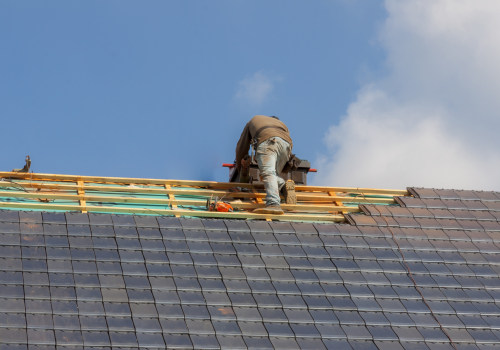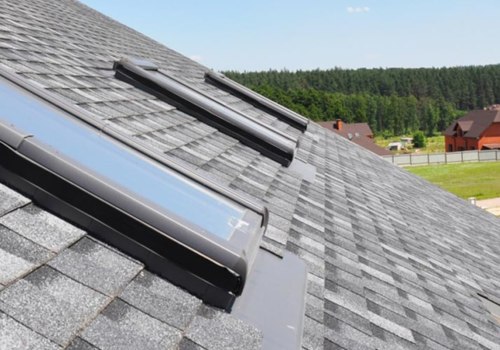
Roof installation and large-scale home upgrades often involve far more disruption than homeowners initially expect. While most attention is placed on selecting materials, coordinating contractors, and improving the appearance of the property, temporary site protection is one of the most important elements in maintaining safety and preventing costly damage throughout the construction process. Roofing projects in particular expose homes to changing weather conditions, falling debris, heavy equipment movement, and constant worker activity. At the same time, interior renovations may already be underway, with expensive flooring, cabinetry, paint finishes, and decorative materials either installed or waiting for installation. Without proper temporary protection systems in place, construction activity can quickly create avoidable problems that affect both the structure of the home and the quality of the renovation work being completed inside. Temporary site protection serves as a barrier between active construction zones and the finished or partially completed areas homeowners are investing heavily to improve.
Protecting Interior Materials and Finished Surfaces
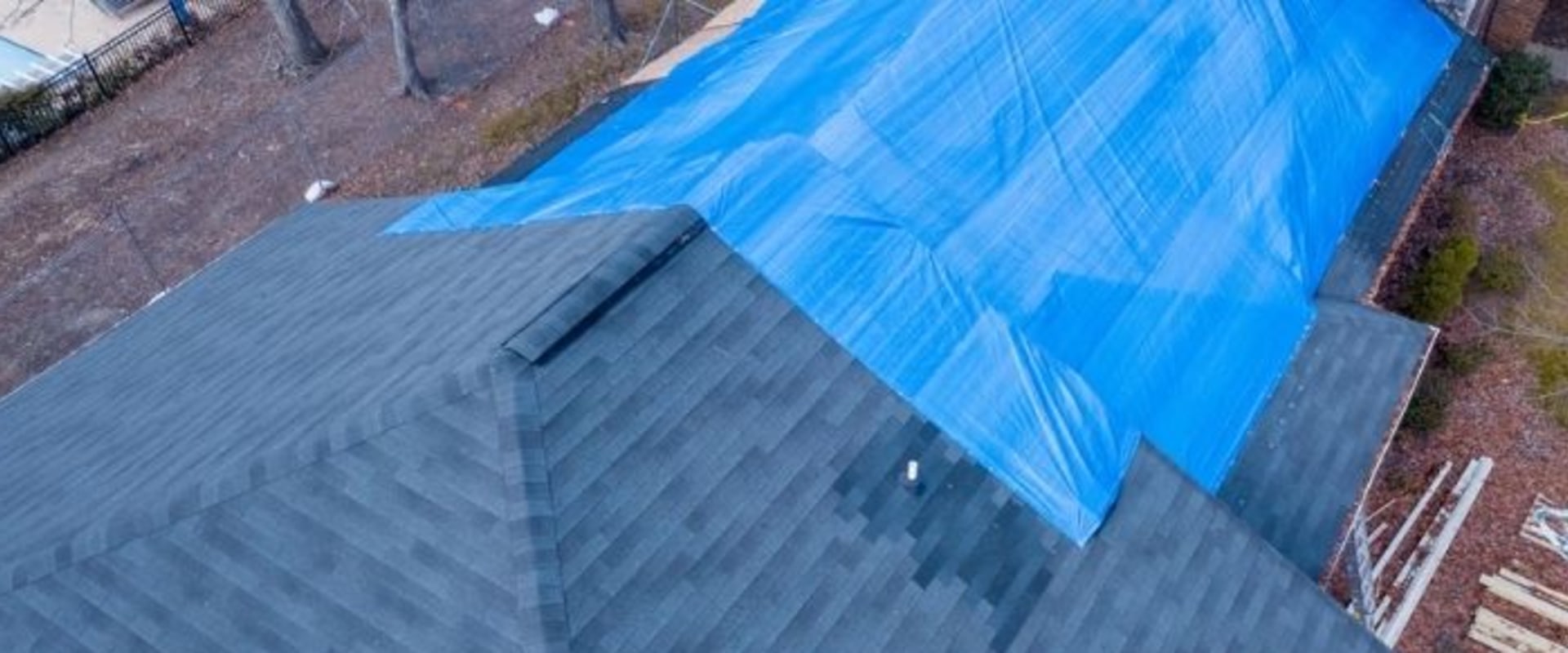
One of the primary reasons temporary site protection is essential during roof installation and home upgrades is to safeguard sensitive interior materials from dust, moisture, and accidental damage. Roofing work commonly involves removing shingles, lifting decking materials, carrying heavy equipment, and disposing of debris, all of which create vibration and airborne particles throughout the property. If interior spaces are not properly sealed and protected, construction dust can settle into newly painted surfaces, ventilation systems, hardwood flooring, and custom fixtures. Moisture exposure is another major concern, especially during projects where sections of the roof may remain temporarily uncovered due to weather delays or ongoing structural repairs. Protective tarps, plastic barriers, floor coverings, and temporary sealing systems help reduce the likelihood of water intrusion damaging interior upgrades. During remodeling projects involving custom kitchen installations or luxury built-ins associated with Orlando Custom Cabinets, maintaining a clean, dry, and stable environment becomes especially important because premium cabinetry materials can be sensitive to humidity fluctuations, debris contamination, and prolonged exposure to construction conditions. Proper temporary protection ensures that these investments remain in excellent condition throughout every phase of the project.
Maintaining Safety and Job Site Organization
Temporary site protection also plays a major role in maintaining job site safety for both contractors and homeowners. Large renovation projects typically involve multiple crews working simultaneously in different areas of the property. Roofing teams, electricians, painters, flooring installers, and delivery personnel may all require access to the home at various stages of construction. Without designated pathways, debris containment systems, or secured work zones, the risk of accidents increases significantly. Protective barriers help separate active construction areas from occupied spaces, while temporary walkways and staging zones improve organization and reduce unnecessary traffic through sensitive areas of the home. Contractors often use plywood floor coverings, scaffold netting, dumpster barriers, and temporary fencing to control movement and minimize hazards during construction. These systems may seem temporary or unimportant compared to the visible renovation work itself, but they contribute heavily to keeping projects efficient, organized, and safe from start to finish.
Long-Term Benefits of Proper Site Protection
Although temporary site protection is removed once construction is complete, its impact on the overall success of a project can be long-lasting. Homes that receive proper protection during roof installation and renovation work are less likely to experience post-construction issues such as scratched flooring, damaged landscaping, moisture stains, dust contamination, or material warping. Effective site protection also helps contractors maintain cleaner work environments, reduce delays, and preserve the quality of high-end finishes throughout the renovation process. As modern home upgrades become more sophisticated and expensive, homeowners are increasingly recognizing that successful remodeling projects depend not only on craftsmanship and design but also on the preventative measures taken during active construction. Temporary site protection may not receive much attention in renovation planning discussions, but it remains one of the most valuable tools for preserving both the property and the homeowner’s investment while major improvements are underway.