Roof installation projects generate a significant amount of waste, from old shingles and underlayment to nails, flashing, and packaging materials. Managing this debris effectively is a critical part of any successful roofing project. Contractors begin by creating a waste management plan before the project even starts, identifying the types of materials that will be removed and determining how they will be handled. This planning phase ensures that waste is dealt with efficiently, minimizing disruptions to the property and surrounding environment. By organizing disposal methods in advance, contractors can maintain a clean and safe worksite throughout the installation process.
Safe Removal and Collection of Roofing Debris
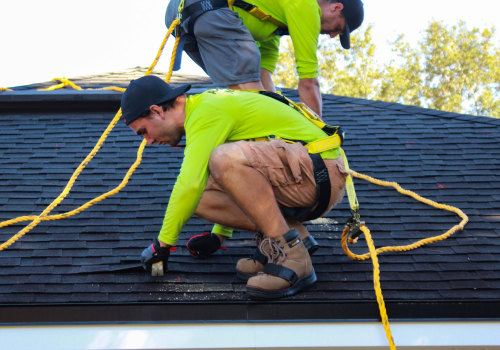
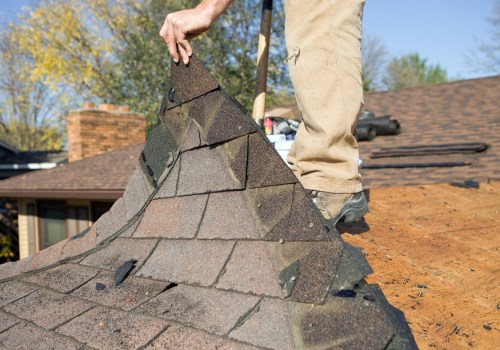
During the roof installation process, contractors focus on safely removing existing materials while preventing damage to the property. Specialized tools and techniques are used to strip away old roofing components, which are then carefully collected and transported to designated disposal areas. Protective measures, such as tarps and magnetic sweepers, are often employed to catch falling debris and remove stray nails from the ground. These steps not only protect landscaping and outdoor spaces but also reduce the risk of injury for homeowners and workers. Efficient collection methods ensure that debris does not accumulate or create hazards during the project.
Sorting and Recycling Materials
An important aspect of modern waste management in roofing projects is the emphasis on recycling. Many roofing materials, such as asphalt shingles, metal components, and wood, can be repurposed or recycled instead of being sent to landfills. Contractors often sort materials on-site or transport them to facilities that specialize in recycling construction waste. This environmentally responsible approach reduces the overall impact of roofing projects and supports sustainability efforts within the industry. By prioritizing recycling, contractors not only contribute to environmental conservation but also help homeowners feel confident that their project is being handled responsibly.
Maintaining a Clean and Organized Worksite
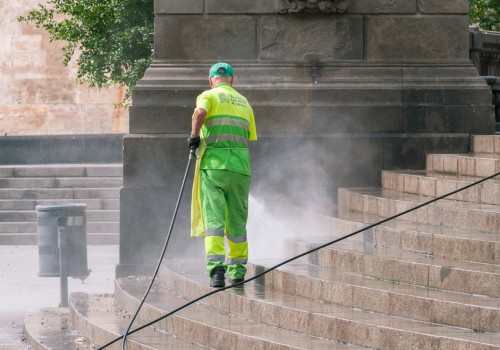
Keeping the worksite clean and organized is essential for both safety and efficiency. Contractors regularly clear debris throughout the day rather than allowing it to pile up, ensuring that the workspace remains manageable and hazard-free. This ongoing cleanup process helps maintain productivity and allows workers to move freely without obstruction. Professional teams, such as Devil Dog Services LLC, understand the importance of maintaining a tidy work environment and take proactive steps to ensure that all waste is properly contained and removed. This attention to detail reflects a commitment to quality and professionalism that benefits both the project and the client.
Proper Disposal and Compliance with Regulations
Once debris has been collected and sorted, it must be disposed of in accordance with local regulations. Contractors typically use dumpsters or hauling services to transport waste to approved disposal or recycling facilities. Compliance with environmental and safety regulations is a key responsibility, as improper disposal can lead to fines or environmental harm. Experienced contractors are familiar with these requirements and ensure that all waste is handled legally and responsibly. This level of compliance not only protects the environment but also reinforces trust between contractors and homeowners.
Delivering a Complete and Responsible Project
Effective waste management is an integral part of delivering a successful roof installation project. By planning ahead, safely removing debris, prioritizing recycling, and maintaining a clean worksite, contractors can ensure a smooth and efficient process from start to finish. Homeowners benefit from a safer environment, reduced environmental impact, and a higher standard of service. Ultimately, responsible waste management reflects the professionalism and expertise of the contractor, contributing to a positive overall experience and a well-executed roofing project.