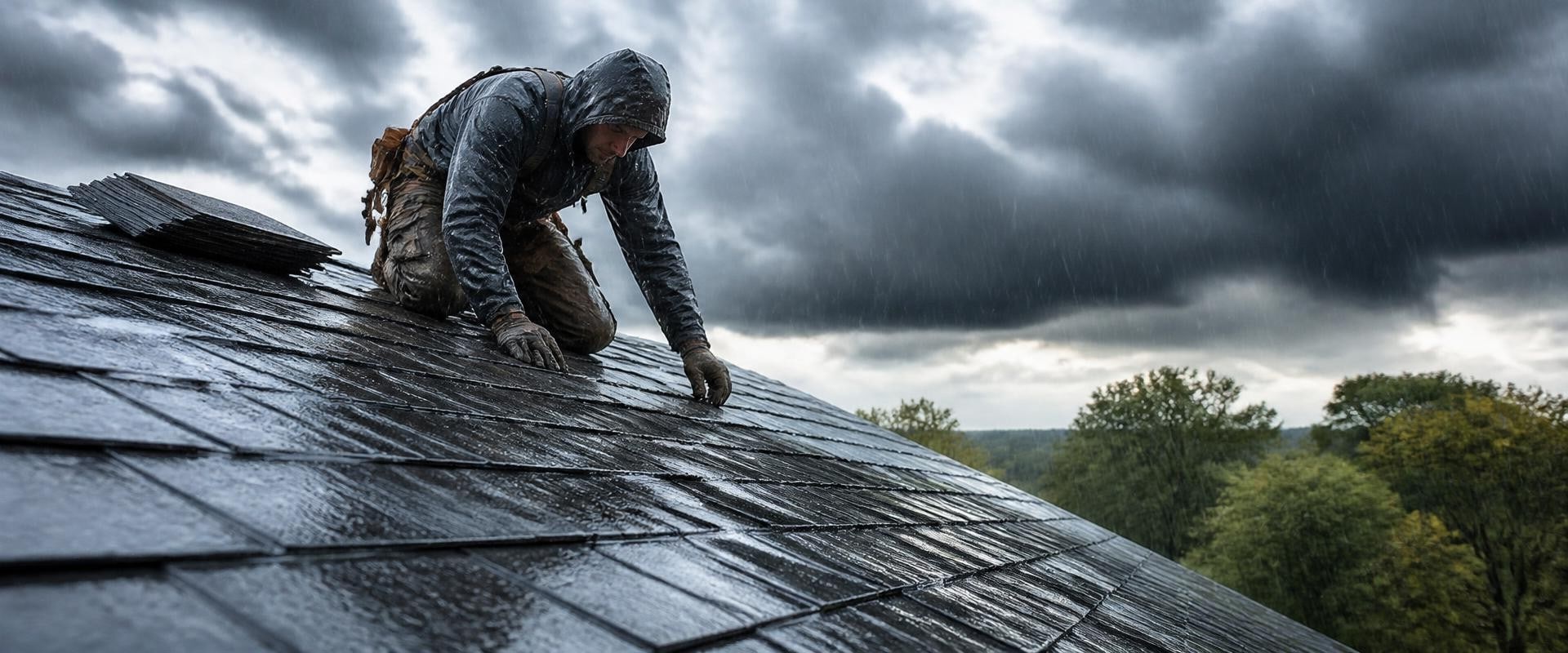
Weather conditions play a significant role in determining the success, efficiency, and safety of roof installation projects. Roofing materials must be installed under suitable environmental conditions to ensure proper adhesion, durability, and long-term performance. Temperature fluctuations, rainfall, strong winds, and humidity can influence how roofing materials respond during installation. Contractors must carefully evaluate weather forecasts before beginning work to minimize potential complications. Understanding these environmental factors allows homeowners and roofing professionals to plan projects effectively, avoid unnecessary delays, and protect the structural integrity of newly installed roofing systems.
How Temperature Affects Roofing Materials
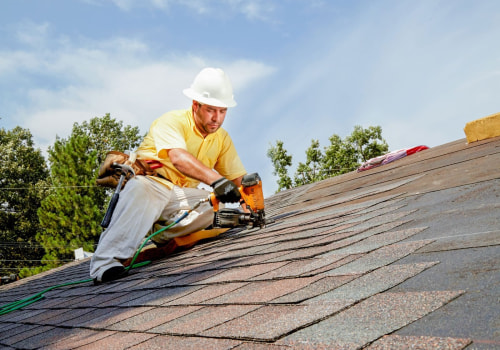
Temperature is one of the most important considerations during roof installation. Extremely hot weather can make asphalt shingles softer and more vulnerable to damage from foot traffic or handling. Conversely, cold temperatures may cause certain shingles to become brittle, increasing the risk of cracking during installation. Some roofing adhesives and sealants also require specific temperature ranges to achieve proper bonding. Professional contractors, such as Impact Roofing & Construction, understand the importance of considering environmental conditions when planning roofing projects. Following manufacturer recommendations helps ensure that roofing materials are installed correctly and perform as intended.
The Challenges of Rain and Moisture
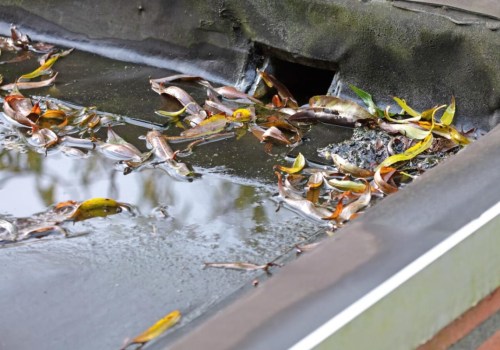
Rainfall can significantly disrupt roofing installations because excessive moisture may compromise roofing materials and expose underlying structures to potential water damage. Installing roofing components over wet surfaces can create problems with adhesion and moisture retention. Contractors generally avoid removing large sections of existing roofing when heavy rainfall is expected. If unexpected rain occurs, temporary protective coverings may be necessary to prevent water intrusion. Properly scheduling installation activities during dry weather helps minimize these risks and allows contractors to complete essential waterproofing procedures more effectively.
Managing Strong Winds During Installation
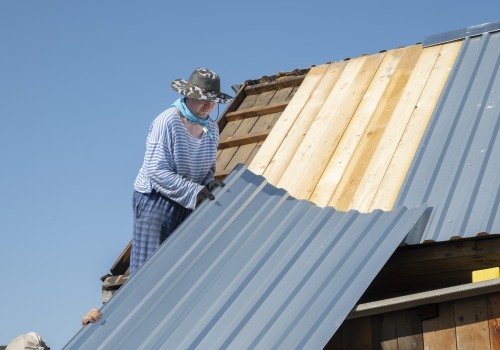
Wind conditions can create serious safety concerns for roofing crews working at elevated heights. Strong gusts may affect worker stability, interfere with material handling, and increase the risk of unsecured components becoming airborne. Lightweight materials, including underlayment and shingles, can be particularly challenging to position during windy conditions. Roofing professionals must follow appropriate safety guidelines and postpone certain activities when weather conditions become hazardous. Monitoring wind forecasts also helps contractors coordinate deliveries, secure equipment, and organize installation schedules without compromising workplace safety.
Considering Humidity and Seasonal Weather Changes
Humidity and seasonal weather patterns can also influence roofing installation procedures. High humidity may affect the drying or curing times of certain adhesives, coatings, and sealants. Seasonal temperature changes can influence material flexibility and installation techniques. In regions experiencing frequent storms, contractors may need to arrange projects around unpredictable weather conditions. Proper ventilation and moisture management are essential for preventing condensation-related issues within roofing assemblies. Understanding regional climate patterns helps roofing professionals select appropriate materials and establish practical installation timelines.
Planning Roofing Projects Around Weather Conditions
Successful roof installation requires careful scheduling, preparation, and communication between homeowners and contractors. Reviewing weather forecasts, preparing protective materials, and allowing flexibility in project timelines can reduce unexpected disruptions. Contractors should also inspect roofing surfaces before installation to ensure that conditions meet manufacturer specifications. Homeowners can support the process by discussing potential weather delays and understanding how environmental factors influence construction schedules.
Supporting Long-Term Roofing Performance
Weather-conscious installation practices contribute to the durability and reliability of roofing systems. Proper material handling, suitable environmental conditions, and adherence to installation guidelines help reduce the risk of premature deterioration. Although weather-related delays may be inconvenient, prioritizing safe and appropriate conditions protects both workers and property. Ultimately, thoughtful planning and professional roofing practices help ensure that newly installed roofs provide dependable protection against changing weather conditions for years to come.