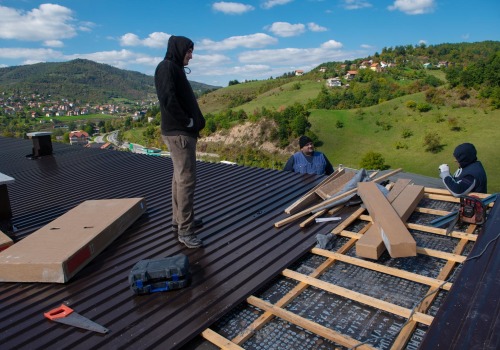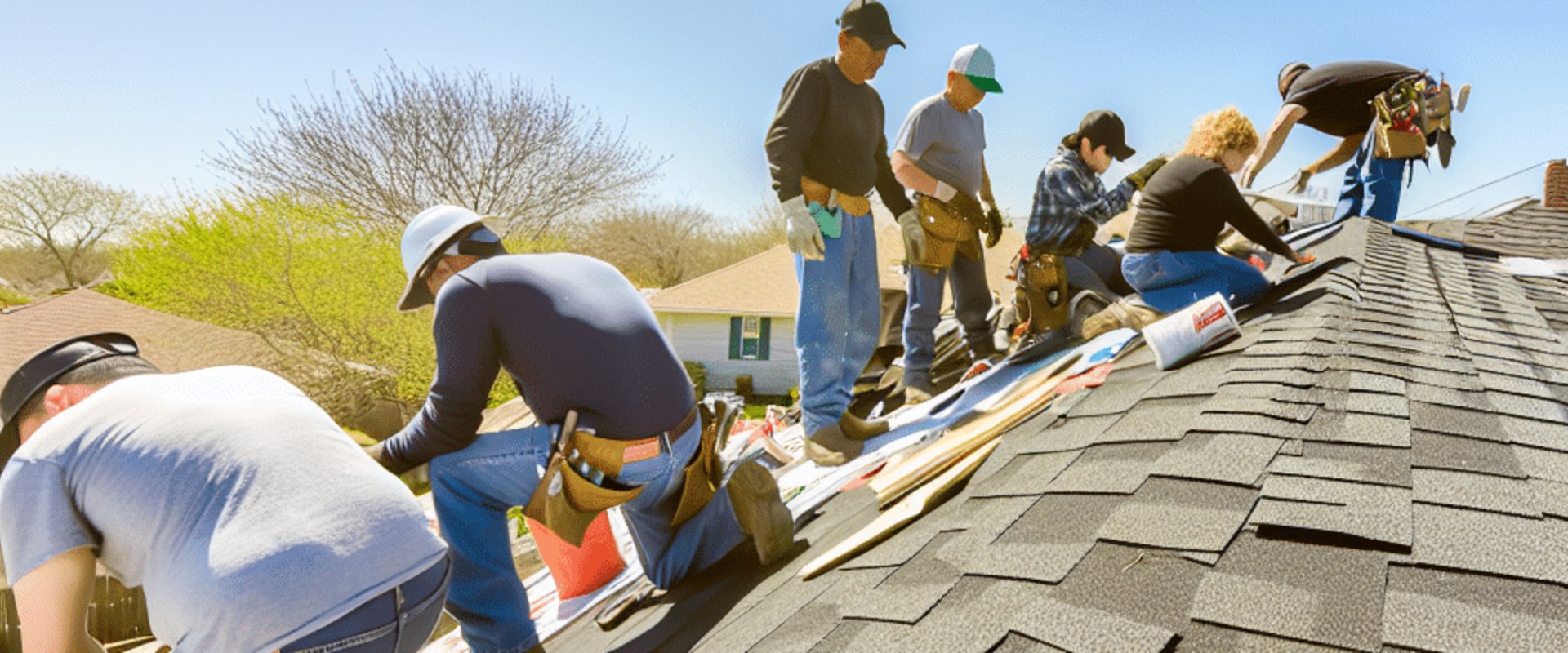
Many homeowners assume that a roof installation project involves only roofing professionals removing old materials and installing a new roofing system. While roofing contractors certainly play the central role in the process, successful roof installation projects often require collaboration among multiple contracting and home service providers. Modern homes function as interconnected systems, and the roof affects everything from structural stability and ventilation to insulation, drainage, and energy efficiency. Because of these connections, a roof installation frequently becomes a coordinated effort involving specialists from several trades who work together to ensure the project delivers long-term value and performance.
Pre-Installation Evaluations and Planning
Before roof installation begins, contractors typically conduct comprehensive evaluations of the property. These inspections go beyond examining shingles or roofing materials. Professionals assess roof decking, attic ventilation, insulation conditions, drainage systems, gutters, flashing, soffits, fascia boards, and structural support components. In some cases, engineers or general contractors may become involved if signs of structural deterioration are discovered. This early planning stage allows service providers to identify concerns that could affect the success of the installation and create a strategy for addressing them before work begins. By coordinating efforts from the start, contractors help prevent delays and reduce the risk of unexpected issues during construction.
Coordinating Structural and Exterior Improvements
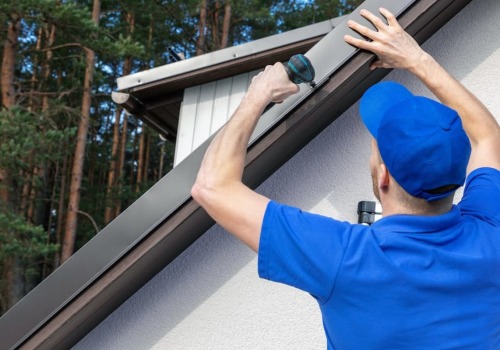
Roof installation projects often reveal opportunities for related exterior improvements. Damaged fascia boards, deteriorated soffits, aging gutters, or moisture-affected siding may need attention before the roofing work is completed. Home service providers frequently collaborate to ensure these components function properly alongside the new roof. By addressing multiple exterior systems simultaneously, contractors can create a more durable weather-resistant envelope around the home. This collaborative approach also helps homeowners avoid the inconvenience of scheduling separate projects at different times.
Supporting Ventilation and Energy Efficiency
One of the most important areas of cooperation during roof installation involves ventilation and energy performance. Roofing contractors often work alongside insulation specialists and ventilation professionals to improve airflow throughout the attic space. Proper ventilation helps regulate temperature, reduce moisture buildup, and extend the lifespan of roofing materials. In many cases, homeowners use roof installation projects as an opportunity to upgrade attic insulation or address energy-efficiency concerns. Coordinating these improvements during the roofing process allows contractors to maximize the effectiveness of both systems while reducing labor duplication and project costs.
Managing Interior Protection and Property Care
Roof installation projects also require careful coordination to protect the interior of the home. Service providers often work together to ensure that debris, dust, moisture, and vibrations do not negatively impact living spaces during construction. Contractors may inspect ceilings, attic spaces, and other vulnerable areas before and after installation to verify that the project has not caused unintended damage. Homeowners who are simultaneously planning interior improvements, such as basement finishing services in Brownsburg IN, often benefit from coordinated scheduling that minimizes disruptions and helps maintain a consistent renovation timeline throughout the property.
Ensuring Proper Drainage and Water Management
Another important aspect of collaboration involves water management. Roofing systems function best when gutters, downspouts, drainage pathways, and grading systems work together effectively. Home service providers frequently evaluate these components during roof installation projects to ensure rainwater is directed away from the structure properly. Addressing drainage concerns at the same time as roofing work helps protect foundations, landscaping, siding, and other building systems from moisture-related damage.
A Team-Based Approach to Long-Term Results
Ultimately, successful roof installation projects depend on more than quality roofing materials and skilled installers. They require cooperation among contractors, inspectors, ventilation specialists, insulation professionals, and other home service providers who contribute their expertise to the project. By working together, these professionals create roofing systems that support structural integrity, energy efficiency, moisture control, and overall property performance. This team-based approach helps homeowners receive greater value from their investment while ensuring the roof functions as part of a well-coordinated and properly maintained home.